A Temple Font: Bridging Architectural Influence and Typographic Presence
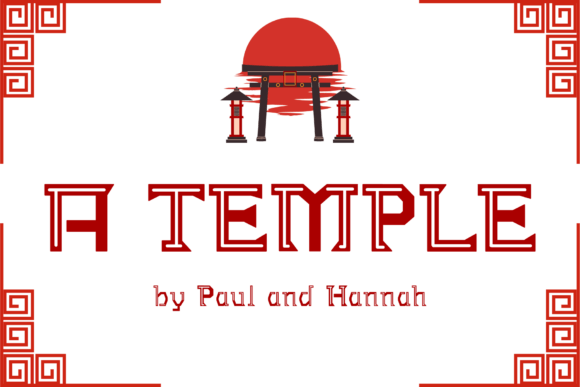
The A Temple typeface stands as a unique intersection of cultural homage and typographic boldness. Inspired by the symmetry and structural integrity of East Asian gates and shrines, A Temple is a display font that commands attention through its geometric precision and commanding presence. Its design incorporates hollowed-out centers and wide, balanced letterforms that evoke a sense of authority and timelessness. Unlike many decorative fonts that prioritize ornamental flourishes, A Temple draws from architectural elements to create a visual weight that feels both grounded and intentional.
What Makes A Temple Distinct?
At its core, A Temple distinguishes itself through its structural clarity and cultural resonance. The hollowed-out centers of its letters are not just a stylistic choice—they serve as a nod to the open spaces and intricate latticework found in traditional temple design. This feature adds a layer of visual interest without compromising legibility, making it effective for display purposes where impact is key.
Its wide stance and sharp angles contribute to a sense of stability and strength, qualities often associated with monumental architecture. These characteristics make A Temple particularly well-suited for projects that require a typographic presence with historical or cultural undertones. Whether used in branding, event promotion, or editorial design, A Temple conveys a sense of establishment and reverence that many modern sans-serif or script fonts cannot replicate.
Comparing A Temple with Similar Display Fonts
When evaluating display typefaces, designers often consider visual weight, cultural context, and application versatility. A Temple falls into a category that includes geometric sans-serif fonts and other architectural-inspired typefaces, but it differentiates itself through its symbolic design language. Compared to more minimalist display fonts like Futura or Avenir, A Temple offers a richer visual narrative that ties into historical aesthetics rather than pure abstraction.
In contrast to calligraphic or brush-style display fonts that emphasize movement and fluidity, A Temple is rigid and deliberate. This makes it less suitable for projects that require a sense of motion or organic flow but more effective in contexts where structure and formality are desired. When compared to other culturally inspired fonts—such as those based on Arabic or Celtic motifs—A Temple maintains a more universal appeal due to its clean lines and symmetrical balance.
Strengths and Tradeoffs of A Temple
One of A Temple’s primary strengths is its ability to evoke a sense of cultural depth without being overly stylized. It strikes a balance between decorative appeal and readability, making it an effective choice for titles, headers, and branding elements where clarity and visual impact are equally important. The font’s hollowed-out design adds a layer of dimensionality that can enhance visual layouts when used alongside complementary imagery or patterns.
However, like many display fonts, A Temple is not intended for extended body text. Its stylistic features, while visually compelling, can reduce legibility at smaller sizes or in dense blocks of text. Additionally, its strong architectural influence may not align with every design direction. For instance, in projects that lean toward minimalism, modernity, or digital-first aesthetics, A Temple may feel too rooted in tradition to serve as the primary typographic voice.
Best-Fit Applications for A Temple
A Temple shines in contexts where a sense of history, culture, or architectural gravitas enhances the message. Travel brochures highlighting heritage sites, cultural event posters, and themed restaurant branding all benefit from the font’s authoritative yet elegant presence. It pairs particularly well with traditional motifs such as mandalas, geometric patterns, or ink brush illustrations, reinforcing a cohesive visual language rooted in cultural design.
- Travel and Tourism: Ideal for promoting destinations with rich architectural or historical significance.
- Event Branding: Suitable for cultural festivals, museum exhibitions, or heritage-related programming.
- Themed Hospitality: Effective in restaurant or hotel branding that draws from traditional East Asian design.
For digital applications, A Temple can be used sparingly in web headers or hero sections where visual impact is prioritized over long-form readability. However, due to its distinctive nature, it’s best used as a supporting typeface rather than the dominant one in multi-layered design systems.
When to Consider Alternatives
While A Temple offers a compelling visual identity, it may not be the best fit for every project. In cases where neutrality or adaptability is key, more versatile display fonts or sans-serif typefaces may be more appropriate. For example, in branding that targets a broad, international audience without a specific cultural focus, a cleaner, more universally recognized font may communicate more effectively.
Similarly, for projects that require a modern or futuristic tone, A Temple’s architectural references may feel incongruous. In such cases, geometric sans-serif fonts or high-contrast display typefaces with contemporary flair could better align with the intended aesthetic. Additionally, for digital interfaces or mobile applications where screen legibility is crucial, A Temple’s detailed structure may lose clarity at smaller sizes or on lower-resolution displays.
Making an Informed Typographic Choice
Selecting the right typeface involves more than visual appeal—it requires understanding how a font aligns with the project’s tone, audience, and medium. A Temple is a strong contender when the goal is to evoke a sense of cultural depth, architectural influence, or historical presence. Its structured design and commanding presence make it particularly effective in print-based branding, cultural promotions, and themed environments where visual storytelling is key.
However, for projects that require broader typographic flexibility, digital adaptability, or a more neutral tone, exploring alternatives that offer a balance of style and functionality may be necessary. The key is to assess how well a font supports the overall design intent while maintaining legibility and coherence across different applications.
In the broader landscape of display typography, A Temple offers a distinctive voice that bridges tradition and modernity. By understanding its strengths, limitations, and ideal use cases, designers can make more informed decisions that enhance both the aesthetic and communicative power of their work.