Bubble Valentine: A Strategic Choice for Romantic Design Projects
Design choices matter more than ever in a world where visual communication dominates marketing, branding, and customer engagement. Bubble Valentine emerges as a standout typeface for those looking to convey warmth, affection, and celebration through design. This ultra-chunky, rounded font with a soft, bubble-gum aesthetic is more than just a seasonal novelty—it's a strategic tool for creators and businesses aiming to capture attention and evoke emotion.
Understanding Bubble Valentine’s Unique Appeal
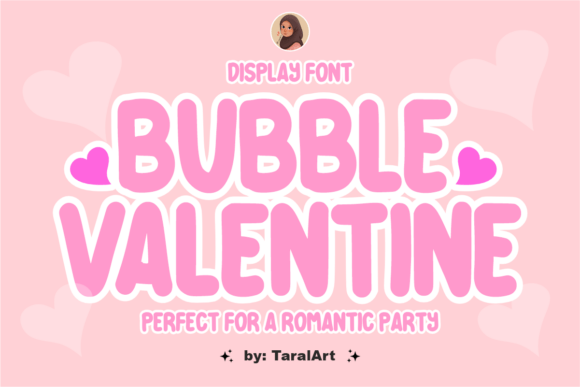
Bubble Valentine isn’t just another decorative font—it's a deliberate design decision that signals playfulness, affection, and vibrancy. Its thick, buoyant letterforms are crafted to stand out, while the soft, rounded edges and integrated heart motifs give it a lovable charm. The bright pink color palette reinforces its romantic and joyful tone, making it ideal for content that needs to feel both bold and emotionally resonant.
Unlike generic script or cursive fonts often associated with love themes, Bubble Valentine brings a modern, pop-culture-infused twist. It's especially effective when used in digital and print materials that require high visibility without sacrificing personality. Whether for a digital campaign or physical product packaging, this font makes a statement that’s both visually striking and emotionally engaging.
When and Why to Use Bubble Valentine in Your Projects
Valentine’s Day may be the most obvious use case, but Bubble Valentine's strategic value extends beyond seasonal campaigns. It's particularly effective in contexts where emotional engagement and brand warmth are key objectives. Consider using it for:
- Valentine’s Day marketing materials and social media posts
- Wedding or engagement announcements
- Personalized merchandise like mugs, t-shirts, or greeting cards
- Confectionery and gift packaging
- Event invitations for romantic or celebratory occasions
- Branded content aimed at younger audiences or couples
Its high-impact design ensures readability even at small sizes, making it a versatile option for both digital and print formats. However, the font’s bold character means it should be used with intention—especially in brand-consistent environments where tone and messaging alignment are crucial.
Strategic Planning Tips for Using Bubble Valentine
Like any design element, Bubble Valentine should be used as part of a broader strategic plan. Here are a few considerations to help you integrate it effectively:
- Align with brand voice: If your brand is playful, romantic, or youthful, this font will feel natural. If your tone is more formal or corporate, use it sparingly or in supporting roles.
- Balance with complementary fonts: Pair Bubble Valentine with simpler, clean fonts to maintain visual hierarchy and readability in multi-layered designs.
- Use for headlines and titles: Due to its chunky nature, it's best reserved for short bursts of text rather than body copy.
- Consider audience perception: While charming and fun, Bubble Valentine may not be appropriate for professional or serious contexts. Always test how it's perceived by your target audience.
- Plan for scalability: Ensure that the font remains legible across different mediums and screen sizes, especially if used in digital marketing assets.
Maximizing Emotional Impact Through Design
Typography plays a critical role in shaping emotional response. Bubble Valentine leverages its rounded, friendly contours and heart-infused design to communicate warmth and affection. When used strategically, it can:
- Enhance emotional engagement with your message
- Strengthen brand personality in romantic or celebratory contexts
- Create memorable visual experiences that stand out in crowded markets
- Support seasonal or event-based campaigns with immediate visual relevance
For marketers and designers, this means Bubble Valentine isn't just a stylistic choice—it's a tool for emotional storytelling. When used in conjunction with thoughtful copy and imagery, it can help create a cohesive, emotionally resonant experience for the audience.
Knowing When to Avoid Bubble Valentine
Despite its charm, Bubble Valentine isn't a one-size-fits-all solution. It's best avoided in contexts where:
- The brand tone is formal, serious, or technical
- Long-form text or dense content is required
- Readability in small sizes is essential
- Target audiences skew older or prefer minimalistic design
- Brand consistency requires strict typographic rules
Using Bubble Valentine without considering these factors can lead to misalignment between design and messaging, potentially diluting your brand's credibility or confusing your audience.
Long-Term Value and Branding Considerations
Typography is a long-term investment in brand identity. While Bubble Valentine may be ideal for seasonal campaigns or limited-time promotions, consider how it fits into your overall design ecosystem. If used regularly, ensure it aligns with your brand's emotional positioning and visual language. Over time, consistent use of a font like Bubble Valentine can become a recognizable part of your brand's visual signature—especially in niches like lifestyle, romance, or confectionery markets.
For businesses looking to build long-term equity in their design assets, strategic font use is key. Bubble Valentine can be a memorable and effective part of that strategy when applied with intention and consistency.
Final Thoughts: Design with Purpose
Bubble Valentine offers a unique blend of visual impact and emotional appeal. Its chunky, rounded design and romantic motifs make it a standout choice for designers and marketers aiming to create joyful, love-themed content. However, its full potential is unlocked only when used thoughtfully—aligned with brand goals, audience expectations, and strategic messaging.
Whether you're designing a Valentine’s Day campaign, crafting wedding invitations, or launching a line of romantic-themed merchandise, Bubble Valentine can be more than just a font. It can be a key element in building a memorable, emotionally engaging brand experience.