Damon Font: A Blend of Simplicity and Playfulness for Modern Design
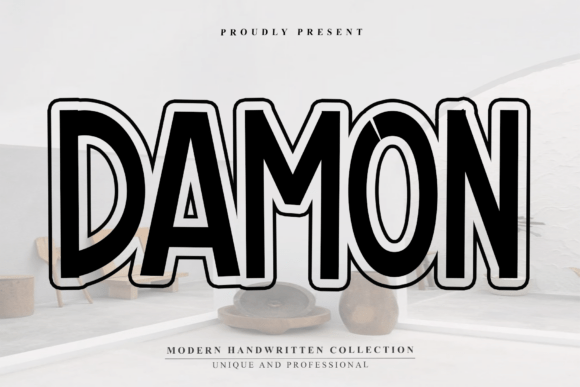
Damon is a casual display font that strikes a balance between modern minimalism and an approachable aesthetic. Its design features clean shapes, soft edges, and well-proportioned letterforms that convey a relaxed yet polished look. This font is particularly well-suited for creative projects that require a friendly tone without sacrificing readability or visual appeal.
What Makes Damon Unique?
At its core, Damon stands out due to its carefully crafted combination of clarity and character. Unlike more rigid or formal typefaces, Damon embraces a casual, open feel that makes it ideal for conveying warmth and accessibility. Its soft contours and balanced spacing contribute to a sense of visual harmony, allowing it to remain legible even at a glance.
Designed primarily as a display font, Damon is not intended for long blocks of body text. Instead, it shines in titles, headlines, and short bursts of text where visual impact is key. This makes it a popular choice for branding, packaging, posters, and digital graphics where tone and personality play a significant role.
Why Choose Damon?
Designers and content creators often gravitate toward Damon when they need to communicate a sense of approachability and modernity. Its versatility allows it to fit into a wide range of creative applications, from social media visuals to product packaging. The font’s clean aesthetic ensures it integrates well into contemporary design trends while still offering a distinctive character.
One of the key advantages of Damon is its readability in short-form text. Because of its clear letterforms and generous spacing, it can be easily recognized even when used in dynamic or minimalist layouts. This makes it a practical choice for projects that need to convey a message quickly and effectively.
Benefits of Using Damon
- Visual Appeal: Offers a modern, clean look that enhances the aesthetic of any design.
- Approachable Tone: Soft edges and open shapes help convey friendliness and warmth.
- High Readability: Designed for clarity in display settings, making it ideal for headlines and titles.
- Versatile Application: Works well across multiple design formats including digital and print media.
Considerations and Tradeoffs
While Damon has many strengths, it’s important to consider its intended use. As a display font, it is not optimized for extended reading or body text. Using it in contexts that require long paragraphs may lead to decreased legibility and user fatigue. Additionally, its casual nature may not align with more formal or professional branding needs.
Another factor to consider is the overall design environment. Damon performs best when given visual space to breathe. Overcrowding it with other competing design elements can diminish its impact. It’s also important to ensure that the font’s tone aligns with the overall message of the project—Damon works best when the goal is to create a relaxed, friendly, or youthful impression.
When Damon Is a Strong Fit
Damon excels in scenarios where a clean, modern, and personable aesthetic is desired. It is particularly effective in the following use cases:
- Branding for Lifestyle or Creative Businesses: Especially suitable for brands that want to project a sense of warmth and accessibility.
- Social Media Graphics: Its visual clarity makes it ideal for posts and stories where quick readability is essential.
- Packaging Design: Adds a fresh, contemporary look to product labels and promotional materials.
- Event Posters and Invitations: Conveys a casual, inviting tone perfect for community events, workshops, or festivals.
When to Consider Alternatives
If a project demands a more formal, traditional, or highly stylized appearance, alternatives to Damon may be worth exploring. For example, serif fonts like Georgia or Times New Roman are often preferred in academic or legal contexts, while more stylized script fonts might be better suited for luxury branding or calligraphic aesthetics.
Additionally, if a project requires a font that can be used across both display and body text, a more versatile sans-serif like Helvetica or Open Sans might offer broader functionality. It’s also worth noting that while Damon is visually appealing, its casual nature may not resonate with audiences expecting a more authoritative or serious tone.
Making the Right Design Choice
Selecting the right font involves more than just visual appeal—it requires understanding the context, audience, and message of the design. Damon is a strong contender for designers seeking a clean, modern, and friendly typeface that enhances visual communication without overwhelming the viewer.
Before committing to Damon, it’s helpful to test it in the intended context. Viewing it in different sizes, colors, and layout environments can provide a clearer sense of how it will perform. Pairing it with complementary fonts for secondary text can also help maintain visual hierarchy while preserving its unique character.
Ultimately, Damon offers a compelling mix of readability, style, and personality. Whether it’s the right choice depends on the specific needs of the project and the tone the designer aims to convey. For those seeking a font that balances simplicity with a playful edge, Damon is a practical and visually engaging option worth considering.