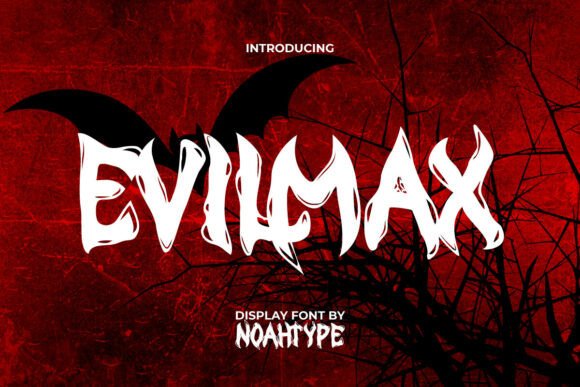
Evilmax: Strategic Use of a Sinister Display Font for Impactful Design
Evilmax, a horror-inspired display font by NoahType, is more than a stylistic choice—it’s a deliberate tool for evoking emotion, shaping perception, and reinforcing thematic messaging. With its jagged, dripping letterforms and raw, handmade aesthetic, Evilmax is designed to command attention and provoke a visceral response. For designers, marketers, and brand strategists, understanding when and how to use Evilmax can make the difference between a forgettable design and a compelling visual statement.
Understanding Evilmax: A Font Built for Impact
Evilmax is not a font for every project. It thrives in contexts where atmosphere and tone are as important as content. The typeface mimics the appearance of hastily carved wood or smeared paint, giving it an organic, chaotic energy. This makes it particularly effective in genres like horror, dark fantasy, and alternative culture branding.
Designed with high contrast in mind, Evilmax performs best in environments that amplify its dramatic qualities—such as white text on blood-red or black backgrounds. This visual intensity is not just for shock value; it’s a strategic device that can help communicate urgency, danger, or rebellion, depending on the context.
Strategic Applications of Evilmax in Design and Branding
When used intentionally, Evilmax can serve as a powerful component of brand identity and visual communication. Consider the following use cases:
- Halloween and Horror-Themed Marketing: Whether promoting a haunted house attraction or a horror film, Evilmax reinforces the eerie tone and builds anticipation.
- Music Industry Branding: Particularly in genres like black metal or gothic rock, Evilmax aligns with the aesthetic and emotional tone of the music and its audience.
- Alternative Lifestyle Brands: Streetwear, subculture magazines, and edgy product packaging benefit from Evilmax’s raw, anti-establishment feel.
- Game and Film Titles: Dark fantasy games and horror films often rely on typography to set the mood before a single word is read. Evilmax delivers that cinematic punch.
In each case, the font isn’t just decorative—it’s part of the storytelling. Strategic designers understand that typography is not neutral; it carries emotional weight and cultural associations. Using Evilmax without that awareness risks misalignment with the intended message or audience perception.
Planning for Effective Use: Context, Contrast, and Clarity
Before integrating Evilmax into a design project, consider the following strategic factors:
- Target Audience: Does the tone of Evilmax align with the expectations and preferences of your audience? It may resonate with alternative or horror-inclined demographics but could alienate more conservative or mainstream groups.
- Message Intent: Is the goal to unsettle, provoke, or evoke a sense of danger? Evilmax supports these objectives. If the goal is clarity, approachability, or professionalism, it may not be appropriate.
- Visual Contrast: Because of its aggressive design, Evilmax works best when contrasted against clean, minimal layouts. Overuse or pairing with other chaotic elements can lead to visual fatigue.
- Legibility: While Evilmax is designed for impact, it sacrifices some readability. Reserve it for headlines, titles, and short bursts of text rather than long-form content.
These considerations ensure that Evilmax enhances rather than hinders the communication strategy. It’s not about how cool the font looks in isolation—it’s about how well it serves the overall goal of the design.
Positioning Evilmax as a Branding Asset
For brands operating in niche markets—such as underground music, horror entertainment, or avant-garde fashion—Evilmax can become a signature element of their visual identity. When used consistently across packaging, websites, and promotional materials, the font helps build brand recognition and emotional resonance.
However, this requires a deliberate approach. Brands should ask:
- Does Evilmax reflect our brand personality and values?
- Will it help us stand out in a crowded market or blend into existing tropes?
- Are we using it in a way that reinforces our message rather than just following a trend?
Answering these questions helps prevent the font from becoming a gimmick rather than a genuine brand asset.
Long-Term Value and Design Sustainability
Typography choices have long-term implications. While Evilmax might be effective today, brands must consider how it will age over time. Fonts with strong thematic associations can become dated if not carefully managed. To mitigate this, pair Evilmax with timeless design elements and ensure flexibility in how it’s applied across different media.
Additionally, consider seasonal or campaign-specific use rather than embedding it permanently into a brand’s core identity. This allows for creative experimentation without locking into a look that may limit future evolution.
Risks of Misuse: When Evilmax Falls Flat
Like any strong visual element, Evilmax can be overused or applied without strategic intent. Common pitfalls include:
- Overuse: Applying Evilmax to every piece of content dilutes its impact and can alienate audiences who find it overwhelming.
- Contextual Misalignment: Using it in a setting that doesn’t match the font’s tone (e.g., a children’s product line or a financial services website) creates confusion and undermines credibility.
- Accessibility Issues: The font’s stylized nature can impair readability, especially for users with visual impairments or those viewing on small screens.
To avoid these issues, always test Evilmax in real-world applications. Get feedback from a diverse audience, and be willing to adapt or scale back if the response is mixed.
Integrating Evilmax with Purpose
Designers and marketers who use Evilmax effectively don’t just choose it because it looks cool—they use it to amplify a specific message, emotion, or theme. The key is to treat typography as part of the broader communication strategy rather than an afterthought.
Consider these practical steps:
- Define the emotional tone of your project before selecting a font.
- Test Evilmax in context alongside other design elements to ensure harmony.
- Limit its use to titles, logos, or accent text rather than body copy.
- Evaluate legibility across devices and print formats.
These steps help ensure that Evilmax is not just a stylistic flourish but a meaningful contributor to the overall design outcome.
Conclusion: Using Evilmax with Intent
Evilmax is more than a horror font—it’s a design tool with strategic potential. When used thoughtfully, it can elevate a project’s emotional impact, reinforce brand positioning, and create memorable visual experiences. However, its effectiveness depends on careful planning, contextual relevance, and a clear understanding of audience expectations.
For professionals looking to make intentional design decisions, Evilmax offers a powerful way to channel darkness into design. But like any strong visual element, it must be wielded with purpose—not just for the sake of style, but to serve a larger creative or strategic goal.