Golden Baseball: The Retro Font That Scores Big in Design
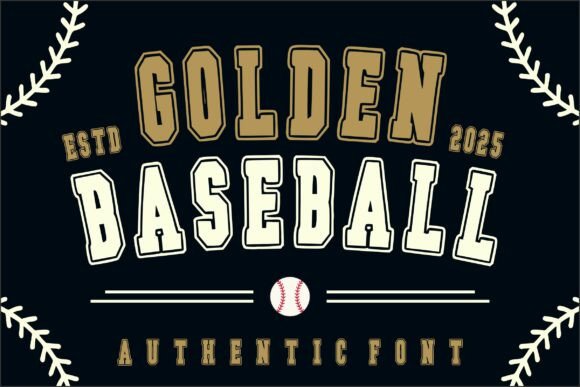
Golden Baseball is more than a nostalgic nod to the past — it’s a bold, athletic display font crafted for impact. With its blocky serifs, rugged texture, and varsity-style tilt, it brings the spirit of classic American sports right into your design projects. Whether you're working on a team logo, vintage apparel, or a tournament poster, Golden Baseball injects a gritty, retro charm that's hard to ignore.
But like any design tool, it's only as effective as the person using it. Many designers, especially those new to typography or working under tight deadlines, can easily fall into common traps when selecting or applying Golden Baseball. These missteps can affect readability, professionalism, and even the emotional tone of your work.
Why Golden Baseball Stands Out
Golden Baseball was designed to evoke the golden era of baseball — think stadium banners, wool jerseys, and hand-painted signs. Its distressed texture and powerful presence make it ideal for headlines and titles that need to stand out. It’s especially popular among those designing for sports teams, vintage brands, and event posters where a strong, authentic feel is key.
What sets Golden Baseball apart from other retro fonts is its balance of legibility and character. It’s not just a decorative font — it’s built for visual impact without sacrificing clarity. However, this strength can also be a pitfall if not used thoughtfully.
1. Overusing the Font in Body Text
Golden Baseball is designed for display use — not for long paragraphs. Its bold serifs and textured look can make it difficult to read in extended blocks of text. Some designers, especially those new to typography, may use it for body copy simply because they love the aesthetic.
Result: Poor readability, visual fatigue, and a cluttered layout.
Fix: Use Golden Baseball sparingly — stick to headlines, titles, and short bursts of text. Pair it with clean sans-serif fonts for body copy to maintain contrast and clarity.
2. Ignoring the Font’s Licensing Terms
Before downloading or purchasing Golden Baseball, it’s essential to check the licensing agreement. Some versions are only free for personal use, while others require commercial licenses for branding, merchandise, or advertising.
Result: Legal issues, unexpected costs, or having to redo a project due to licensing conflicts.
Fix: Always verify the license type before use. If you're unsure, contact the font creator or vendor directly. For commercial projects, invest in a proper license to avoid complications down the line.
3. Applying It Without Considering the Background
Golden Baseball’s textured, distressed look can blend into complex or busy backgrounds, making it hard to read or diminishing its visual punch.
Result: Poor contrast, lack of emphasis, and an unpolished design.
Fix: Use the font against solid or lightly textured backgrounds. If you're layering it over a photo or pattern, consider adding a drop shadow, outline, or background box to ensure it stands out.
4. Assuming It Works for Every Retro Project
While Golden Baseball is excellent for sports-themed and athletic designs, it may not be appropriate for all vintage styles — especially those that lean toward elegance or softness, like mid-century branding or 1920s art deco.
Result: A mismatched aesthetic that feels forced or out of place.
Fix: Choose fonts that match the era and tone of your project. Golden Baseball works best when the design calls for a rugged, varsity-style presence. For softer vintage looks, explore other retro fonts that offer a different character.
Pair It With the Right Fonts
Golden Baseball shines brightest when paired with simpler, modern fonts. Try combining it with a clean sans-serif like Helvetica or Montserrat for a balanced, professional look.
- Headline: Golden Baseball
- Subhead: Montserrat Bold
- Body: Open Sans
This approach keeps your design dynamic without overwhelming the viewer.
Use It for the Right Medium
Golden Baseball is perfect for print and web projects that require a bold, nostalgic punch. It works well on:
- Sports team logos
- Vintage apparel and merchandise
- Event posters and banners
- Retro-inspired branding materials
However, it may not be ideal for small digital screens or low-resolution prints, where its texture can become pixelated or hard to read.
Test It Across Different Sizes
Before finalizing your design, test Golden Baseball at various sizes. You may find that at smaller sizes, the texture and serifs become less distinct or even muddy.
Tip: Create a style guide for your project that shows how Golden Baseball looks in different applications — from a large banner to a small logo on a T-shirt tag.
What to Check Before Downloading or Buying
Before you commit to using Golden Baseball, take a few moments to verify the following:
- Font format: Make sure it’s compatible with your design software (OTF, TTF, etc.)
- Licensing: Confirm whether it's free for personal use, or if you need a commercial license.
- Character set: Check if it includes uppercase, lowercase, numbers, and special characters you might need.
- Texture options: Some versions offer alternate glyphs or lighter weights for flexibility.
These checks can save you time and frustration later, especially if you're working on a multi-platform or long-term project.
Golden Baseball: A Game-Changer When Used Right
When applied thoughtfully, Golden Baseball can elevate your design from generic to memorable. Its vintage charm and bold presence make it a go-to choice for sports branding, retro apparel, and event marketing. But like any strong visual element, it requires care and intention.
By avoiding common mistakes and understanding the font’s strengths and limitations, you can ensure your work not only looks great but communicates the right message. Whether you're a professional designer or a small business owner creating your own marketing materials, Golden Baseball can be a powerful ally — as long as you know how to use it.