Rollbeat Graffiti: A Bold Font Duo for Urban Expression
When it comes to making a strong visual statement, typography plays a crucial role. Rollbeat Graffiti is a striking font duo that captures the essence of street art and urban culture. Designed to reflect the energy and spontaneity of real graffiti, this typeface brings an authentic edge to any creative project. Whether you're designing a music album cover, a brand logo, or a streetwear label, Rollbeat Graffiti delivers a powerful aesthetic that resonates with modern audiences.
What Makes Rollbeat Graffiti Unique?
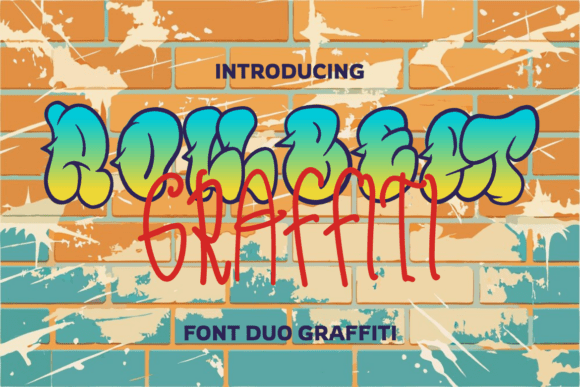
The strength of Rollbeat Graffiti lies in its dual-style composition. The first style features bold, rounded bubble letters that echo the iconic wall art seen in cityscapes around the world. These characters are defined by clean outlines, layered gradients, and a sense of playful volume that commands attention. The second style is a tall, hand-tagged script that mimics the fluid strokes of real spray-painted tags. This contrast between structured boldness and raw spontaneity allows designers to create visually engaging layouts with depth and character.
Design Characteristics That Stand Out
- Bold Bubble Letters: Ideal for headlines and logos, these letters offer a retro-funk vibe with modern readability.
- Handwritten Script: Adds a personal, rebellious flair that feels authentic and expressive.
- Layered Aesthetic: Combines gradients and textures for a rich, dimensional look.
- High Contrast: The interplay between the two styles enhances visual interest and hierarchy.
Why Use Rollbeat Graffiti in Your Design Projects?
Rollbeat Graffiti is more than just a stylish font—it's a tool for storytelling. Whether you're creating a poster for an underground music event or designing a streetwear brand identity, this font duo communicates attitude and authenticity. Its roots in graffiti culture make it especially effective for projects targeting youth-driven markets, alternative lifestyles, and creative industries.
Practical Applications Across Industries
This versatile typeface finds a home in a wide range of applications. Here are some common use cases where Rollbeat Graffiti shines:
- Logo Design: Perfect for brands that want to project confidence and creativity. The contrast between the two styles adds depth and memorability.
- Poster Artwork: Whether for concerts, festivals, or urban art exhibits, Rollbeat Graffiti grabs attention and sets a bold tone.
- Streetwear Branding: From t-shirt prints to packaging, this font gives apparel brands a raw, authentic look that resonates with fashion-forward audiences.
- Music Covers: Especially effective for hip-hop, punk, and electronic genres, where visual identity is as important as the sound.
- Multimedia and Digital Projects: Use it in social media graphics, YouTube thumbnails, or website headers to create a strong visual brand presence.
How Rollbeat Graffiti Enhances Visual Communication
Typography is not just about aesthetics—it's about communication. Rollbeat Graffiti allows designers to convey emotion, energy, and authenticity through type. The handwritten script evokes a sense of individuality and rebellion, while the bubble-letter style brings structure and impact. Together, they create a balance that enhances message delivery and visual hierarchy.
For example, in a poster design, the bubble letters can be used for the main title while the script serves as a subheading or tagline. This approach not only improves readability but also guides the viewer’s eye through the composition effectively.
Real-World Examples and Recommendations
Designers working in urban branding have successfully used Rollbeat Graffiti to create cohesive visual identities. One notable example is a skateboard apparel brand that used the bubble letters for their logo and the script for product tags and packaging. The result was a unified yet edgy brand language that appealed directly to their core audience.
If you're considering using Rollbeat Graffiti in your next project, here are a few tips:
- Pair with Gritty Backgrounds: For maximum impact, layer the fonts over brick textures, concrete surfaces, or abstract spray-paint effects.
- Maintain Readability: While the fonts are expressive, avoid overloading the design. Use them strategically to highlight key elements.
- Experiment with Color: Try using contrasting colors between the two styles to emphasize the visual contrast.
- Use in Limited Contexts: These fonts work best as accent or display fonts. Avoid using them for long paragraphs or body text.
Considerations for Implementation
Before incorporating Rollbeat Graffiti into your design workflow, it’s important to evaluate its suitability for your specific project. Licensing is a key factor—ensure that the font is cleared for commercial use, especially if you're working on branded merchandise or advertising materials. Additionally, test how the fonts render across different platforms and devices to ensure consistent appearance.
Designers should also consider the cultural context of their work. Graffiti has deep roots in counterculture and urban expression, so using Rollbeat Graffiti should feel authentic to the message you're conveying. Avoid using it purely for aesthetic appeal without understanding the visual language it represents.
Final Thoughts
Rollbeat Graffiti is more than a font—it's a design statement. With its bold bubble letters and expressive script, it bridges the gap between traditional graffiti and modern typography. Whether you're a graphic designer, brand strategist, or creative entrepreneur, this font duo offers a powerful way to communicate attitude, authenticity, and urban flair. When used thoughtfully, Rollbeat Graffiti can elevate your visual projects and help you connect with audiences who value originality and self-expression.