Roughut: A Distressed Display Font for Bold, Authentic Design
Understanding the Aesthetic and Purpose of Roughut
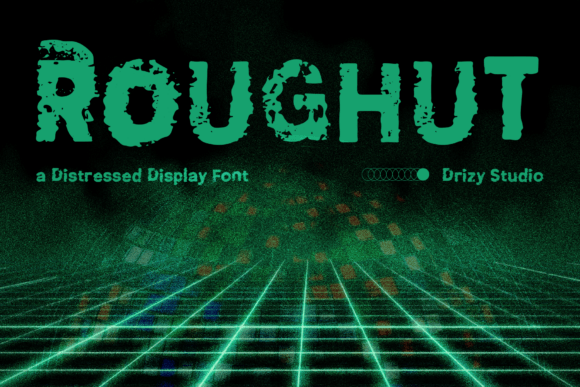
Roughut is a heavily distressed display font designed to bring a raw, industrial edge to visual projects. Its bold, all-caps letterforms are intentionally degraded to mimic the look of aged signage, stamp prints, or heavily photocopied text. Unlike standard fonts that require post-application texture effects, Roughut integrates high-quality, organic degradation directly into each glyph. This built-in texture saves time during the design process while delivering a consistent and authentic worn appearance.
The font's design philosophy centers around visual impact and practicality. It's especially useful for creatives who need to convey a rugged, no-nonsense aesthetic without spending extra time on manual distressing effects. Whether used in branding, packaging, or digital media, Roughut provides a strong visual tone that immediately draws attention.
Key Characteristics That Define Roughut
Roughut stands out due to its intentional imperfections. Each character is textured with a deep, uneven degradation that simulates years of wear and tear. The all-caps format reinforces a bold presence, making it ideal for headlines, logos, and other high-visibility design elements. The degradation is not applied uniformly, which adds to its realism and prevents the artificial look that can occur with overly stylized distressed fonts.
- High-quality built-in texture eliminates the need for additional effects
- Organic, uneven degradation enhances authenticity
- Consistent visual weight ensures readability despite the rough finish
- Optimized for display use at larger sizes
Practical Applications and Design Scenarios
Roughut excels in design contexts where a strong, tactile aesthetic is desired. It’s particularly well-suited for branding and visual identity projects that aim to evoke a sense of history, rebellion, or underground culture. Music album covers, especially in punk, metal, or alternative genres, benefit from its aggressive look. It also works well for:
- Vintage poster design
- Extreme sports branding
- Apparel and merchandise graphics
- Editorial design with a gritty tone
- Urban or industrial-themed campaigns
For example, a small business launching a line of vintage-inspired streetwear could use Roughut in their logo and packaging to instantly communicate authenticity and edge. Similarly, a filmmaker working on a gritty documentary might incorporate the font into promotional materials to reinforce the film’s tone without relying on heavy visual effects.
Usability and Workflow Integration
Despite its intense appearance, Roughut is designed with usability in mind. Its built-in texture means designers can apply it directly without layering additional effects, which streamlines the workflow. The font maintains readability at larger sizes, making it ideal for titles, headers, and short-form text where visual impact matters more than extended reading.
However, due to its stylistic nature, Roughut is best used sparingly. It’s not intended for body copy or small text applications. Designers should also consider contrast and background when using Roughut to ensure legibility. A dark Roughut headline on a light, textured background, for instance, can create a strong visual hierarchy while maintaining clarity.
Quality and Consistency Across Uses
One of Roughut’s strengths lies in its consistency. The degradation effect is applied evenly across all characters, ensuring that no letter appears overly exaggerated or out of place. This level of control is rare in distressed fonts, many of which can feel haphazard or inconsistent in execution.
From a technical standpoint, Roughut is well-constructed and performs reliably across design software. Whether used in Adobe Illustrator, Photoshop, or web-based tools like Canva, the font maintains its integrity and visual appeal. Its vector-based design ensures scalability without loss of quality, even when used in print or large-format signage.
Who Benefits Most from Using Roughut?
Roughut is particularly valuable for creatives who need to communicate strength, resilience, or a vintage aesthetic. This includes:
- Graphic designers working on alternative or edgy brand identities
- Marketing professionals developing campaigns for niche markets like punk culture, skateboarding, or urban fashion
- Musicians and labels producing album art or promotional material
- Freelance illustrators and print designers creating posters or limited-edition prints
- Small business owners launching products with a vintage or handmade appeal
For these users, Roughut provides a shortcut to achieving a complex visual style without sacrificing time or quality. It's especially useful for those who may not have the skills or time to manually distress text using filters or overlays.
Limitations and Considerations
While Roughut offers a strong visual punch, it’s not a one-size-fits-all solution. Its intense aesthetic may not align with clean, minimalist, or corporate design projects. Additionally, because of its degraded nature, it can be difficult to read at smaller sizes or in low-contrast environments.
Designers should also be mindful of overusing distressed fonts like Roughut. Over time, the visual impact can diminish if the style becomes too common within a specific niche or industry. To maintain its effectiveness, it's best reserved for projects that genuinely align with its aesthetic tone.
Final Thoughts: Is Roughut Right for Your Project?
Roughut is a powerful tool for designers seeking a bold, textured display font that delivers an immediate visual punch. Its built-in degradation, consistent design, and professional usability make it a standout choice in the crowded field of distressed typography. Whether you're designing a music poster, a streetwear brand identity, or a vintage-inspired publication, Roughut offers both practical value and strong aesthetic appeal.
If your project calls for a raw, industrial, or punk-inspired look and you want to avoid time-consuming texture overlays, Roughut is worth serious consideration. However, always match its aesthetic to your audience and message—its strength lies in its specificity, not its versatility. Used thoughtfully, Roughut can elevate your design from generic to genuinely expressive.