Wool Socks: A Playful Font for Warm, Inviting Designs
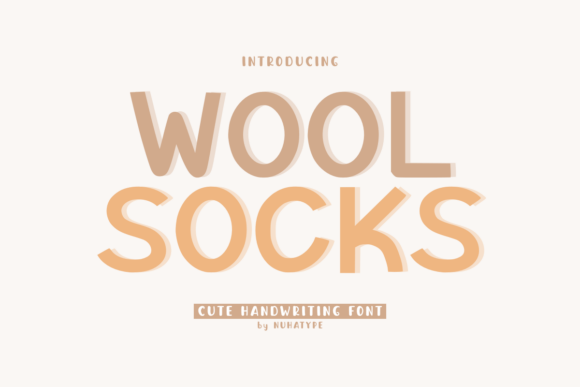
Wool Socks is more than just a font — it's a design element that brings a sense of warmth, charm, and personality to any project. As a cute, hand-drawn display font, it’s ideal for creators looking to inject a lighthearted and approachable tone into their work. Whether you're designing a children's book cover, a greeting card, or branding materials for a boutique bakery, Wool Socks can serve as a valuable tool in your visual communication strategy.
Understanding Wool Socks in the Design Workflow
At its core, Wool Socks features soft, rounded letterforms and a subtle texture that mimics the look of hand-drawn type. This makes it perfect for projects that require a personal, handmade feel. In the broader context of a design workflow, Wool Socks typically plays a supporting role — often used for titles, headings, or short bursts of text rather than long-form content. Its visual weight and character make it best suited for moments where you want to capture attention and convey a specific emotional tone.
Before diving into a project, it's helpful to understand where Wool Socks fits in the hierarchy of your design elements. It works well as a primary headline font, especially when paired with a clean, simple sans-serif for body text. This contrast helps maintain readability while allowing Wool Socks to shine as a stylistic accent.
Using Wool Socks Throughout the Creative Process
From the initial planning stages to final execution, Wool Socks can be integrated at various points in your creative process. During the ideation phase, it can help you visualize the tone and personality of your project. If you're sketching out a mockup for a new product label or social media post, using Wool Socks early on can help you gauge whether the design feels warm and inviting enough for your target audience.
During the design phase, Wool Socks becomes a practical tool for adding character. For example, when creating a series of quote-based Instagram graphics, using Wool Socks for the text overlay can make the content feel more personable and engaging. In this context, the font acts as a visual hook — drawing the viewer in with its playful appearance.
After the design is complete, Wool Socks can also play a role in post-production. If you're exporting assets for print or web, ensure the font is either embedded or converted to outlines to preserve its appearance across different platforms and devices.
Integration with Other Tools and Platforms
Wool Socks works well with most major design tools, including Adobe Illustrator, Photoshop, Canva, Figma, and Procreate. When working in vector-based programs like Illustrator, the font maintains its crispness at any size, making it ideal for both digital and print applications. In raster-based tools like Photoshop, it's best to apply the font at a high resolution to avoid pixelation.
For digital creators using platforms like Canva or Figma, Wool Socks can be uploaded as a custom font, allowing for seamless integration into templates and branded assets. This is especially useful for entrepreneurs and small business owners who want to maintain consistent visual branding across marketing materials, product packaging, and online content.
If you're collaborating with others, it's important to consider font licensing and accessibility. Make sure all team members have access to the font file or that it's embedded in shared files. For web-based projects, consider using web-safe alternatives or font conversion tools to ensure cross-browser compatibility.
Practical Implementation Tips
Here are a few actionable tips for using Wool Socks effectively in your design projects:
- Pair it with simple fonts: To maintain visual balance, pair Wool Socks with clean, minimalist typefaces like Montserrat, Lato, or Open Sans.
- Use it for short text: Due to its decorative nature, Wool Socks is best used for headings, logos, and short phrases rather than paragraphs.
- Adjust spacing for clarity: Kerning and letter spacing can significantly impact readability. Take time to fine-tune these settings for optimal visual appeal.
- Experiment with color: Wool Socks looks great in muted pastels, warm neutrals, or bold primary colors — depending on the mood you're aiming for.
Workflow Examples
Let’s say you're designing a new line of handmade soaps and need to create packaging labels that feel organic and friendly. You might start by selecting a natural color palette and soft textures. Then, you'd introduce Wool Socks as the main label font to emphasize the artisanal and handcrafted nature of the product.
In another scenario, imagine you're a blogger creating a set of quote graphics to share on Pinterest. You could use Wool Socks to set the quote text in a way that feels personal and warm, increasing engagement and shares. Pairing it with a background image of a cozy blanket or a sunlit window enhances the overall aesthetic.
Long-Term Use and Consistency
When incorporating Wool Socks into your long-term design strategy, consistency is key. If you're using it as part of a brand identity, create usage guidelines that specify when and how it should be applied. This includes rules for font size, spacing, color variations, and acceptable use cases.
Storing the font file in a centralized location — such as a shared brand asset folder or design system — ensures that everyone on your team has access to the same version. This helps prevent inconsistencies and maintains brand integrity across all touchpoints.
Over time, as design trends evolve, you may want to revisit your use of Wool Socks. While it's timeless in its charm, it's always good to assess whether it still aligns with your brand voice and audience expectations. Updating your font choices periodically can keep your visual identity fresh without losing the warmth and personality that Wool Socks provides.
Final Thoughts on Integrating Wool Socks
Whether you're a graphic designer, small business owner, educator, or hobbyist, Wool Socks offers a versatile and expressive way to enhance your visual communication. By understanding how it fits into your creative process — from planning to execution and beyond — you can make the most of its unique qualities while ensuring it supports your overall design goals.
As with any design element, the key is to use Wool Socks intentionally. It should enhance your message, not distract from it. When used thoughtfully, it can transform a simple design into something memorable, inviting, and full of character.