Baby Cowboy: A Playful Display Font for Joyful Design Projects
When it comes to choosing a font that brings warmth and personality to creative work, Baby Cowboy stands out as a compelling option. This handwritten display font blends a sense of innocence with artistic charm, making it a versatile choice for designers looking to inject a touch of whimsy into their projects. Whether you're crafting wedding stationery, designing greeting cards, or working on digital illustrations, Baby Cowboy offers a unique visual tone that resonates with audiences in a friendly, approachable way.
Understanding the Aesthetic Appeal of Baby Cowboy
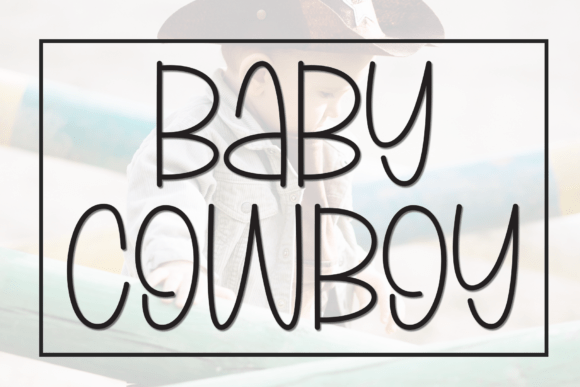
Baby Cowboy is more than just a font with a cute name—it's a carefully crafted typeface that mimics the natural rhythm of handwriting. Its slightly uneven baseline, soft curves, and gentle strokes give it an organic, human feel that's hard to replicate with more rigid, structured fonts. The design evokes a sense of nostalgia and sincerity, making it especially effective in projects that aim to convey warmth or intimacy.
Unlike many display fonts that can feel overly stylized or difficult to read, Baby Cowboy maintains a balance between legibility and character. It’s designed to be expressive without sacrificing clarity, which is a key consideration when using it in real-world applications like print media or digital banners.
Key Features That Set Baby Cowboy Apart
- Handwritten authenticity: Each letter carries subtle variations that mimic natural handwriting, enhancing its organic appeal.
- Playful yet professional: The font’s charm works well in both lighthearted and elegant contexts, making it adaptable across design styles.
- Excellent for short text: Ideal for headlines, quotes, and accents rather than long paragraphs, aligning with best practices for display fonts.
- Comprehensive character set: Supports multiple languages and includes punctuation, making it usable for international projects.
Practical Use Cases for Baby Cowboy
Designers working on a variety of creative projects can find value in Baby Cowboy’s expressive personality. It excels in contexts where a personal, handcrafted touch is desired. Here are a few practical applications:
- Wedding invitations: Adds a romantic, hand-painted feel that complements floral motifs and soft color palettes.
- Children’s books and illustrations: Its playful nature aligns well with youthful themes and educational materials.
- Brand packaging: Especially effective for boutique brands in lifestyle, wellness, or artisanal markets.
- Social media graphics: Works beautifully in quote posts, announcements, and seasonal greetings where a warm tone is key.
How Baby Cowboy Performs in Real-World Design Scenarios
From a usability standpoint, Baby Cowboy holds up well in both print and digital environments. Its design ensures readability at moderate sizes, especially when used for titles or short bursts of text. However, like most display fonts, it’s not recommended for body copy due to its decorative nature.
When integrating Baby Cowboy into a design workflow, it’s important to pair it with complementary fonts. A clean sans-serif or a classic serif often provides the right contrast, allowing Baby Cowboy to shine without overwhelming the layout. Designers should also test the font across different mediums—especially if the final output includes signage or mobile screens—to ensure optimal legibility.
Who Will Benefit Most from Using Baby Cowboy?
Baby Cowboy is particularly well-suited for creative professionals who want to add a human touch to their visual storytelling. Freelance designers, small business owners, and content creators working in lifestyle, education, or children’s media will find it especially useful. It’s also a strong option for marketers aiming to create emotionally resonant campaigns or bloggers looking to enhance the visual appeal of their digital content.
That said, it may not be the best fit for corporate or technical design projects where a more formal tone is required. Its playful essence makes it better suited for audiences that respond to warmth, creativity, and personality-driven visuals.
Final Thoughts and Recommendations
Baby Cowboy is a thoughtful addition to any designer’s toolkit, especially for those who value expressive typography that enhances emotional connection. While it may not be a workhorse font for every project, its unique charm and versatility make it a valuable asset for specific creative needs. As with any display font, moderation and thoughtful pairing are key to leveraging its full potential.
For professionals considering Baby Cowboy, start with a small-scale project—perhaps a social media graphic or a greeting card layout—to get a feel for how it interacts with other design elements. Once you understand its rhythm and visual weight, you’ll be better equipped to use it confidently in larger, more complex compositions.