Blackfang: A Distinctive Halloween Typeface for High-Impact Horror Design
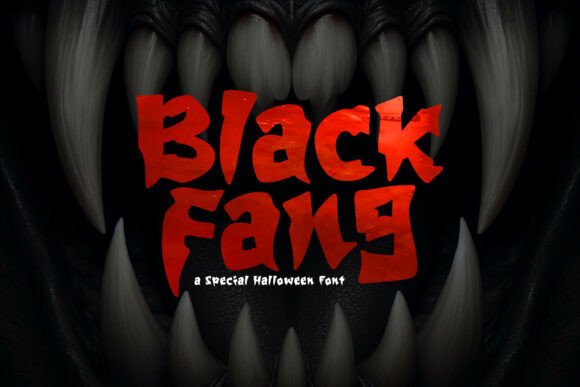
Blackfang is a specialized Halloween font designed to evoke a sense of terror and the macabre through its intense, hand-painted aesthetic. Unlike many decorative fonts that lean on clichéd imagery like pumpkins or ghosts, Blackfang relies on its distressed, jagged glyphs to convey a visceral, chaotic energy rooted in horror and monster mythology. This display typeface is intentionally uneven, with rough edges and a raw texture that mimics the look of paint splatters or carved wood, making it a standout choice for designers aiming to create an unsettling visual tone.
What Sets Blackfang Apart from Other Horror Fonts
Most Halloween fonts aim to be thematic through recognizable imagery or stylized lettering that references classic horror motifs. Blackfang diverges by focusing on texture and imperfection rather than iconography. Its uneven baseline and distressed outlines give the impression of something hastily written or violently marked, which can evoke fear more subtly than overtly spooky graphics. This makes it especially effective in contexts where a sense of urgency or dread needs to be communicated without relying on overt visual cues.
Compared to cleaner, more stylized horror fonts that maintain uniformity and symmetry, Blackfang embraces asymmetry and irregularity. It's not meant to be legible at small sizes or for long-form reading. Instead, it excels as a display font—ideal for headlines, titles, and short bursts of text where visual impact is the priority.
When to Choose Blackfang Over Similar Options
Blackfang shines in projects that benefit from a gritty, handcrafted aesthetic. It works particularly well for:
- Halloween event flyers that need a raw, aggressive look
- Movie posters aiming to evoke a sense of chaos or danger
- Costume party invitations with a horror or monster theme
- Seasonal retail promotions that want to stand out with a dark, edgy tone
Designers who want a more polished or elegant horror font may find Blackfang too chaotic for their needs. For example, if the goal is to create a vintage gothic feel with ornate flourishes, a serif-based horror font might be more appropriate. Similarly, minimalist or modern horror themes that rely on negative space and clean lines may not pair well with Blackfang’s textured, over-the-top style.
Practical Comparisons: Blackfang vs. Alternative Horror Fonts
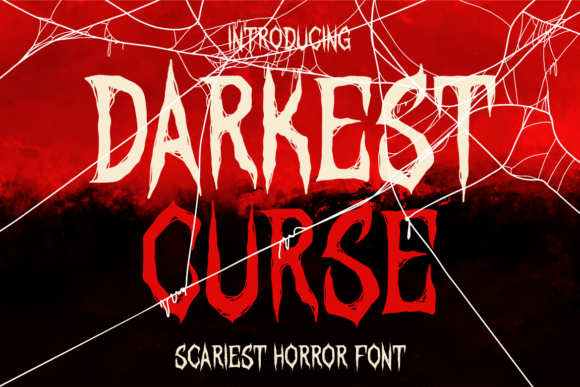
While many horror fonts share the goal of creating fear through typography, they vary widely in execution. Some fonts focus on elongated shapes and sharp serifs to create a sinister vibe, while others use exaggerated outlines or shadow effects to add depth and menace. Blackfang distinguishes itself by prioritizing texture over structure, making it feel more organic and less digitally produced.
For instance, a sleek, outlined horror font may work better for a sci-fi horror poster where the threat is cold and calculated. In contrast, Blackfang’s rough, almost violent appearance suits themes where the danger feels primal and immediate—like a creature lurking in the shadows or a haunted house that’s been abandoned for decades.
Another key difference is readability. Some horror fonts are designed to be readable but still unsettling, making them suitable for longer headlines or subheadings. Blackfang, however, leans into illegibility as part of its character. It’s best used for short, impactful text rather than paragraphs or detailed descriptions.
Strengths and Limitations of Using Blackfang
One of Blackfang’s strongest attributes is its ability to create an immediate emotional response. The font’s chaotic design taps into primal fears, making it ideal for attention-grabbing applications. It also works well across both print and digital formats, maintaining its intensity whether used on a physical flyer or a social media graphic.
However, this strength can also be a limitation. Because of its heavy texture and uneven spacing, Blackfang may not be suitable for projects that require consistency or legibility. It also may not align with more refined or minimalist design aesthetics, where subtlety and restraint are key.
Designers should also consider how the font interacts with other design elements. Since Blackfang is so visually dominant, it can easily overpower other components of a layout if not balanced carefully. It pairs well with dark backgrounds, splatter effects, and low-contrast imagery, but may clash with bright colors or clean, modern design styles.
Best Practices for Using Blackfang in Design Projects
To get the most out of Blackfang, it’s important to use it intentionally and sparingly. Here are a few practical tips:
- Use it for headlines only: Due to its lack of uniformity and fine detail, Blackfang is best suited for large text that won’t be read at length.
- Pair with complementary textures: Enhance the font’s grunge aesthetic by combining it with distressed backgrounds, paint splatters, or torn edges.
- Limit color choices: Blackfang works best in dark, muted tones like blood red, charcoal black, or rusted orange. Avoid using it in bright, neon colors unless aiming for a contrasting, ironic effect.
- Balance with simpler fonts: If using Blackfang for a title or logo, pair it with a simpler, more legible font for supporting text to maintain readability and visual harmony.
Who Should Consider Using Blackfang
Blackfang is ideal for designers, marketers, and event planners who want to create a strong emotional impact through typography. It’s particularly useful for seasonal promotions, horror-themed branding, and any visual media that benefits from a raw, chaotic aesthetic. However, it’s not a one-size-fits-all solution. Those working on projects that require a more restrained or elegant approach may find better options elsewhere.
Ultimately, the decision to use Blackfang should be based on the specific tone and visual language of the project. If the goal is to evoke fear through texture and imperfection rather than stylized design, Blackfang is a compelling choice that delivers a unique and memorable look.