How Darkest Curse Can Elevate Your Horror-Themed Design Strategy
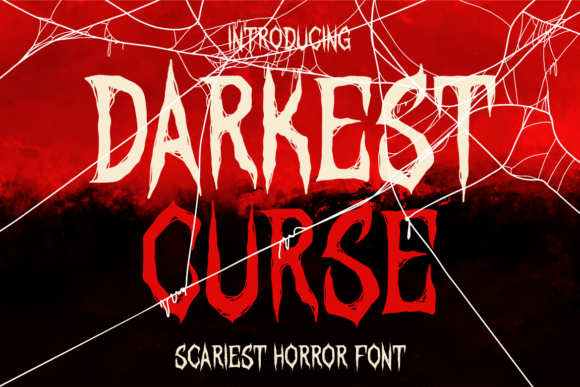
When it comes to visual storytelling in the horror genre, typography plays a critical role in setting the tone. Darkest Curse is not just another font—it's a deliberate design tool crafted to evoke fear, unease, and suspense. With its jagged edges, uneven stems, and twisted letterforms, this typeface communicates more than legibility; it communicates mood. For designers, marketers, and content creators working within the horror space, understanding how to integrate Darkest Curse strategically can significantly enhance the emotional impact of a project.
Understanding Darkest Curse: A Typeface Engineered for Fear
Darkest Curse is a horror display font designed to channel the essence of psychological dread. Its visual characteristics—sharp pointed ends, organic strokes, and an overall sense of decay—make it ideal for applications where atmosphere is as important as message. The font’s uppercase characters dominate with bold terror, while lowercase forms maintain a consistent grotesque aesthetic. This cohesion ensures that the typeface remains visually powerful across a wide range of design applications.
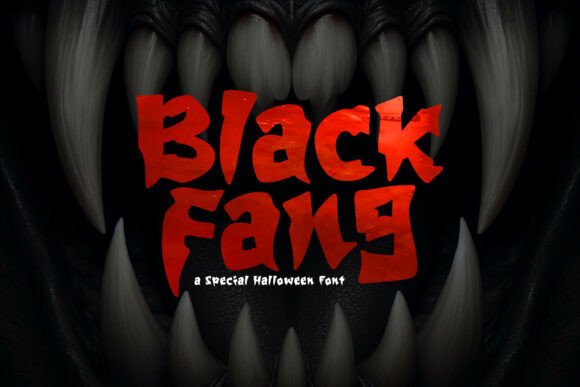
What sets Darkest Curse apart is its attention to texture and detail. The previews often showcase the font in a blood-red gradient against a black background, with cobweb overlays and grunge textures enhancing the sinister vibe. These visual cues are not just stylistic flourishes—they're strategic choices that help designers communicate a specific emotional tone.
Strategic Use of Darkest Curse in Horror Branding
For brands operating in the horror niche—whether it's for Halloween events, haunted attractions, or supernatural-themed products—typography is a key component of brand identity. Darkest Curse offers a way to visually reinforce brand messaging without relying solely on imagery. When used thoughtfully, it can help establish a strong, memorable visual language that resonates with audiences seeking an immersive experience.
Consider using Darkest Curse in the following branding applications:
- Event posters for horror-themed experiences
- Book covers for horror novels or anthologies
- Product packaging for seasonal or horror-inspired merchandise
- Digital marketing assets for horror films or streaming content
Each of these use cases benefits from the font’s ability to immediately signal genre and tone. However, strategic application requires more than just selecting the font—it demands an understanding of how it aligns with your brand’s overall messaging and visual identity.
Planning Your Design with Darkest Curse
Before integrating Darkest Curse into your design, it's important to assess how it supports your broader creative and communication goals. Typography should never be an afterthought; it should be part of a deliberate design strategy that considers readability, brand alignment, and emotional resonance.
Here are a few planning considerations:
- Define the context: Is the font being used for a short-term campaign or as part of a long-term brand identity? Short-term use may allow for more dramatic effects, while long-term branding should ensure consistency and recognition.
- Balance with other design elements: Because Darkest Curse is a strong visual presence, it should be balanced with simpler backgrounds, minimal color palettes, and strategic white space to avoid overwhelming the viewer.
- Test readability: While the font is designed for impact, it may not be suitable for long-form text. Use it primarily for headlines, titles, and short bursts of text where visual impact is key.
When and How to Use Darkest Curse Effectively
Darkest Curse shines in applications where the goal is to evoke a visceral reaction. It's ideal for:
- Film titles that need to set a tone before the first scene begins
- Event signage that needs to capture attention and communicate theme
- Website headers and promotional banners for horror-related content
- Social media assets that support seasonal or event-based campaigns
However, its use should be intentional. Overuse or misuse can dilute its impact and even confuse the audience. For example, using Darkest Curse in a corporate report or formal communication would be incongruous and could undermine credibility. The font should be reserved for contexts where the emotional tone aligns with its aesthetic.
Designing for Emotional Impact
Typography is a form of non-verbal communication. When used correctly, Darkest Curse can act as a silent storyteller, setting the stage before a single word is read. Its jagged forms and uneven textures create a sense of instability and unpredictability—qualities that are central to the horror genre.
Designers can enhance this effect by pairing Darkest Curse with complementary visual elements such as:
- Dark, high-contrast color schemes (e.g., blood-red on black)
- Textured backgrounds that mimic decay or grunge
- Subtle overlays like cobwebs, fog, or shadow effects
These choices should be made with the overall design goal in mind. If the goal is to create a sense of dread, every visual element should support that feeling. If the goal is to promote a Halloween event, clarity and legibility should not be sacrificed for style.
Long-Term Considerations and Risks
While Darkest Curse is a powerful tool, it should not be used in isolation or without strategic intent. Designers who rely too heavily on a single font—no matter how compelling—risk limiting their creative flexibility and potentially alienating audiences who may perceive the style as overused or cliché.
Some potential risks include:
- Overuse: Using the font across too many touchpoints can reduce its impact and make it feel generic.
- Misalignment: If the font does not match the brand’s tone or message, it can create confusion rather than clarity.
- Accessibility issues: Highly stylized fonts can be difficult to read for some audiences, especially at smaller sizes or on low-resolution screens.
To mitigate these risks, it's important to use Darkest Curse as part of a broader typographic strategy that includes complementary fonts for body text and secondary messaging.
Conclusion: Using Darkest Curse with Purpose
Darkest Curse is more than a design novelty—it's a strategic asset for creators who understand the power of visual language in horror storytelling. When used with intention, it can elevate the emotional resonance of a design, strengthen brand identity, and create a memorable visual experience.
However, like any creative tool, its effectiveness depends on how it's applied. By planning carefully, balancing aesthetics with readability, and aligning its use with broader communication goals, designers can harness the full potential of Darkest Curse without falling into the trap of superficial or inconsistent design.
Whether you're crafting a film title, designing a haunted house poster, or developing a seasonal marketing campaign, Darkest Curse offers a unique opportunity to communicate fear, suspense, and intrigue—letter by letter.