Water Stain: A Typographic Splash of Surrealism
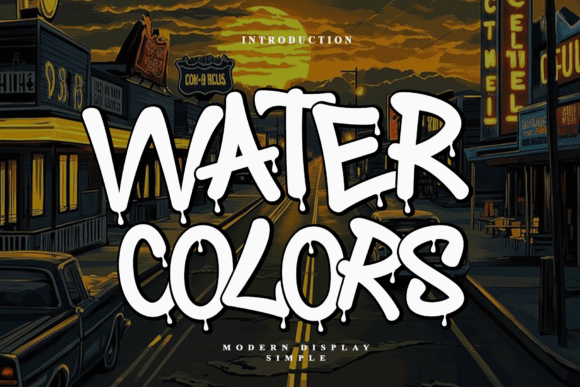
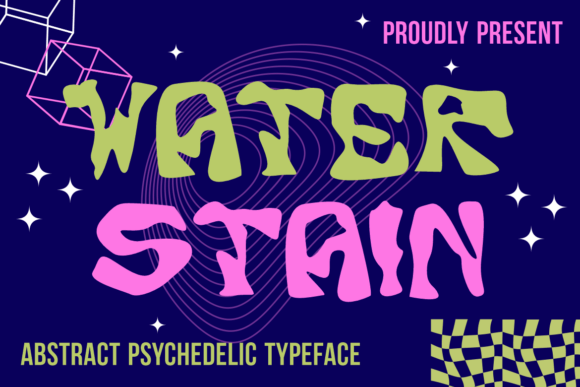
Typography has long been a silent yet powerful communicator of mood, intent, and identity. In a design landscape increasingly defined by minimalism and clean lines, Water Stain emerges as a bold counterpoint—a font that embraces fluidity, motion, and unpredictability. It’s not just a typeface; it's a visual experience that evokes the chaotic beauty of liquid forms and psychedelic art. Each character appears to be in motion, as though melting or dancing on the page, creating an illusion of dynamic energy even in static form.
The Aesthetic of Motion and Melting Forms
What sets Water Stain apart is its ability to simulate movement through static design. The uppercase and lowercase letters contrast sharply, offering a rhythmic interplay that feels alive. This visual cadence is reminiscent of abstract expressionism, where form and emotion are conveyed through irregular shapes and spontaneous gestures. The curves are carefully constructed, yet the edges remain intentionally erratic, mimicking ink blots, spilled watercolor, and ocean waves.
For designers and creatives looking to break free from rigid, geometric fonts, Water Stain offers an expressive alternative. It’s ideal for projects that require a sense of organic fluidity—whether in editorial design, brand identity, or product packaging.
Why Water Stain Fits Into Modern Creative Practices
In recent years, there’s been a noticeable shift in design preferences toward authenticity and emotional resonance. Audiences today are drawn to visuals that feel human, imperfect, and expressive. This trend is evident in the resurgence of hand-drawn illustrations, vintage textures, and experimental typography.
Water Stain aligns perfectly with this shift. Its surreal aesthetic taps into a growing desire for creative freedom and visual storytelling. As brands and creators seek to differentiate themselves in crowded digital spaces, expressive typography like Water Stain becomes a valuable tool for standing out without relying on overt gimmicks.
Applications Across Creative Industries
- Music Industry: Album covers and concert posters benefit from the font’s psychedelic and fluid qualities, especially for genres like indie, alternative, and electronic music.
- Fashion Editorials: The font’s abstract nature complements avant-garde layouts and high-fashion visuals, adding a sense of movement and drama.
- Art and Culture: Art festivals, gallery exhibitions, and creative campaigns can use Water Stain to evoke a sense of fluidity and artistic exploration.
- Product Branding: Lifestyle brands, particularly those with a retro or bohemian edge, can leverage this font to create packaging that feels both modern and nostalgic.
The Evolution of Expressive Typography
Typography has always reflected the cultural and technological shifts of its time. From the ornate scripts of the Renaissance to the sleek sans serifs of the digital age, typefaces have mirrored our changing tastes and tools. In the current era, where digital platforms dominate and visual noise is constant, there’s a growing demand for typefaces that can cut through the clutter with personality and presence.
Water Stain is part of this evolution. It represents a move toward more immersive and emotionally resonant design. As design software becomes more advanced, and as audiences become more visually literate, the demand for unique, expressive fonts continues to grow. Designers are no longer limited to safe, legible typefaces—they can now explore typographic forms that function more like visual art.
Designing for Impact Without Overcomplication
One of the most compelling aspects of Water Stain is how it balances chaos with charm. While its appearance is undeniably bold and unconventional, it remains readable and functional within the right context. It’s not meant to be used for long paragraphs or body text, but rather as a display font that commands attention and sets the tone for a project.
This kind of typographic strategy is increasingly common in branding and editorial design, where the goal is often to create an emotional hook rather than deliver information. In a world where attention spans are short and visual expectations are high, Water Stain offers a way to make a strong first impression without overwhelming the viewer.
Practical Considerations for Using Water Stain
While the aesthetic appeal of Water Stain is undeniable, it’s important to consider how it functions in real-world applications. Here are a few practical tips for using the font effectively:
- Use it sparingly: Because of its visual intensity, Water Stain works best as a headline or accent font rather than for body copy.
- Pair with simpler typefaces: To maintain readability and balance, pair it with clean, modern sans serifs or serif fonts that provide contrast without competing for attention.
- Consider the medium: Whether it's print, digital, or packaging, ensure the font remains legible at different sizes and resolutions.
- Test for brand alignment: Make sure the font’s abstract, surreal quality aligns with your brand’s tone and message. It’s ideal for creative industries but may not suit more formal or corporate contexts.
Looking Ahead: The Future of Fluid Typography
As design continues to evolve, so too will the role of typography. The rise of AI-driven design tools and generative art opens new possibilities for dynamic, adaptive typefaces that respond to user input or environmental conditions. While Water Stain is a static font, its spirit reflects this emerging frontier—where type is not just a vessel for language, but an expressive, living element of design.
For now, Water Stain serves as a reminder that typography can be more than functional—it can be a statement, a mood, a movement. As creative professionals continue to push boundaries and explore new visual languages, fonts like this will play a crucial role in shaping the aesthetics of the future.